
What counts as a trade job?
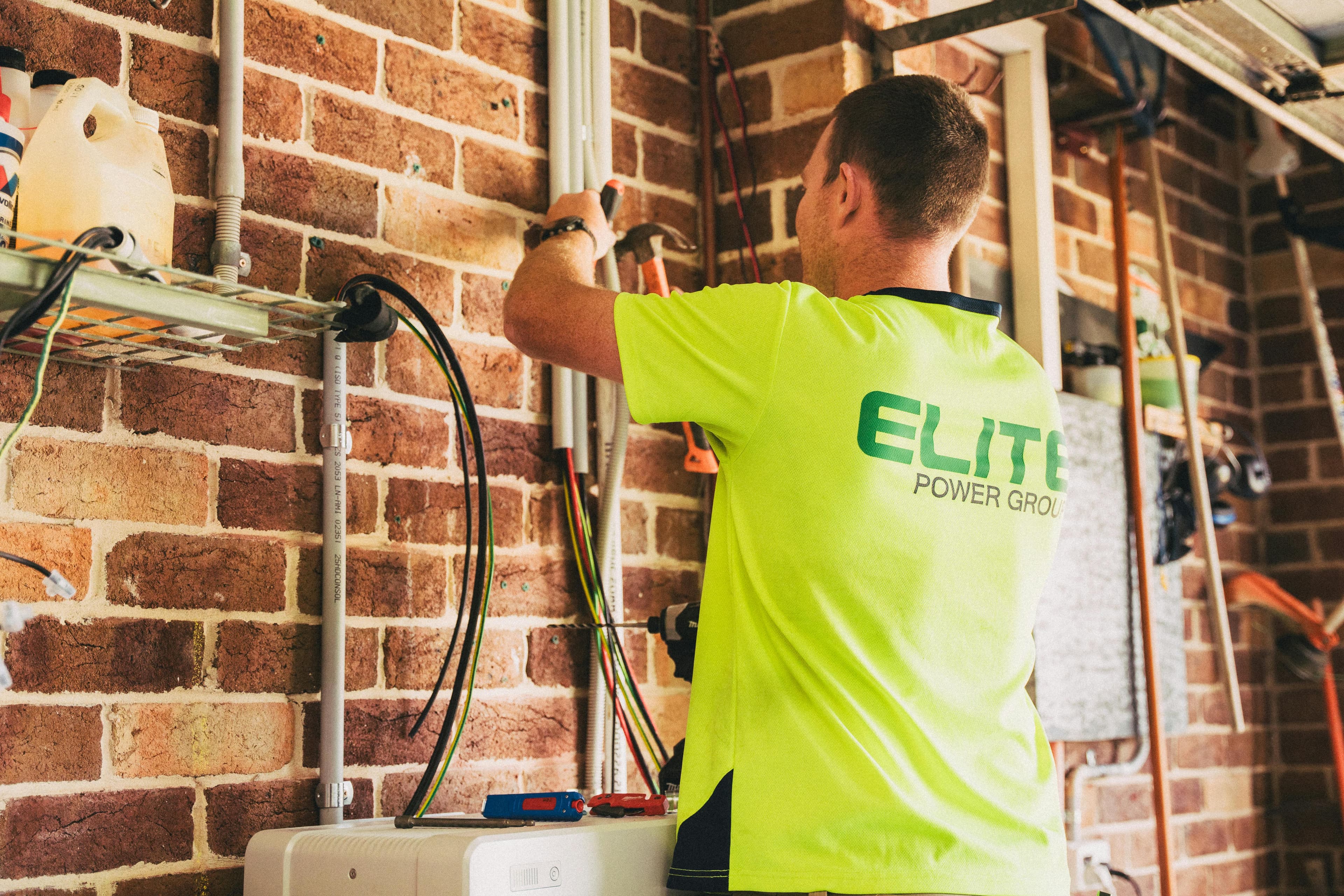
Trade jobs are hands-on roles where you build, fix or install things in the real world: homes, commercial buildings, infrastructure, vehicles, and systems. In the UK, that includes:
- Construction trades: carpenters, bricklayers, plasterers, painters and decorators, roofers, groundworkers, plant operators.
- Building-services trades: electricians, plumbers, heating engineers, HVAC and heat-pump installers, renewables technicians.
- Other skilled trades: mechanics, welders, landscapers, locksmiths, glazing and more.
These roles are in long-term demand, with persistent vacancies for plumbers, electricians, carpenters and other site-based trades across the UK.
Step 1 - Decide which trade fits you
Choosing the right trade upfront saves years of frustration.
Questions to ask yourself:
- What kind of workday appeals to you? Indoors wiring and fault-finding vs outdoors, physical builds vs detail finishing.
- How comfortable are you with heights, tight spaces and heavy lifting?
- Do you enjoy problem-solving and diagrams or more straightforward manual tasks?
- Are you aiming to be self-employed quickly, or prefer steady employment?
Practical actions:
- Read day-in-the-life guides.
- Check in-demand lists.
- Talk to working tradespeople.
Once you have narrowed it to one or two trades, tailor everything on TradePaths.co.uk - your profile, saved searches, and job alerts - around those roles.
Step 2 - Know your UK entry routes
In the UK there are three main ways to get into a trade.
- Apprenticeships (earn while you learn)
- Split time between paid site work and college.
- Typical routes run 2-4 years and lead to Level 2-3 qualifications.
- Funding and policy support are increasing in priority sectors.
- College / private training (front-loaded study)
- Full-time or part-time vocational courses, then site portfolio building.
- Trainee / labourer role first
- Learn on the job, then formalise through NVQ assessment later.
From 2026, reforms are expanding apprenticeship places and introducing more flexible training modules in high-demand sectors like construction and engineering.
Step 3 - Build your ready-to-hire basics
- Maths and English baseline for apprenticeships and Level 2 routes.
- Right-to-work documents and ID.
- Basic safety awareness and CSCS prep where relevant.
- A reliable transport plan for early starts and changing sites.
Step 4 - Create a simple, trade-focused CV
Keep it short, practical, and reliability-focused.
- Clear headline: aspiring electrician / trainee carpenter.
- Practical experience: DIY, labouring, warehouse, delivery, physical work.
- Courses and tickets: include any relevant training.
Step 5 - Find real opportunities and apply well
Use multiple channels: TradePaths, GOV.UK apprenticeship services, local providers, and direct outreach to smaller firms.
- Search for apprentice, trainee, mate, improver and labourer roles.
- Personalise each application with your chosen trade and preparation.
- Show realism about early starts, weather and entry-level tasks.
- Follow up politely after one week.
Step 6 - Use your first year wisely
- Turn up early and consistently.
- Ask thoughtful safety-first questions.
- Master basics: tools, materials, sequencing, measurements.
- Build a logbook/portfolio for NVQ evidence.
Typical ranges can move from apprentice wages to mid-20s/mid-30s newly qualified, then higher with experience and self-employment depending on trade and region.
Step 7 - Plan for progression and business
- Complete Level 2/3 and relevant registrations.
- Specialise in high-value niches like renewables, testing, commercial work, or restoration.
- Learn business basics: quoting, invoicing, marketing, customer service, and insurance.
If you are serious about getting into the trades this year, your next move is simple: head over to TradePaths, create your free profile, and start applying for apprentice and trainee roles while demand is high.
Sources
- Logic4Training, Learn a Trade in 2026: A Complete Guide. https://www.logic4training.co.uk/insights/learn-a-trade-with-logic4training/
- EasyEstimate, Changing Career to the Trades: A Practical 2026 Guide for the UK. https://easyestimate.co.uk/career-change-to-trades-uk/
- Daniel Owen, A Complete Guide to Construction Trade Jobs in the UK. https://www.danielowen.co.uk/resources/blog/a-guide-to-construction-trade-jobs-in-the-uk/
- IronmongeryDirect, 2026 Trade Apprenticeships | Best UK Roles. https://www.ironmongerydirect.co.uk/blog/trade-apprenticeships-uk-2026
- FCFTA, Major Apprenticeship Changes for UK Employers from 2026. https://fcfta.com/insights/latest-news/major-apprenticeship-changes-for-uk-employers-from-2026/
- UK National Careers Service, Construction and trades career profiles. https://nationalcareers.service.gov.uk/explore-careers/all-careers?jobCategories=construction-and-trades
- Rhino Trade Insurance, How To Become a Tradesman in the UK. https://www.rhinotradeinsurance.com/blog/how-to-become-a-tradesman-in-the-uk-everything-you-need-to-know/
- Access Industry Training, Major Apprenticeship Reforms Announced for 2026. https://accessindustry.co.uk/blog/major-apprenticeship-reforms-announced-for-2026/
- Indeed UK, Skilled trade jobs that are in demand. https://uk.indeed.com/career-advice/finding-a-job/skilled-trade-jobs-in-demand
- Approach Personnel, The Most In Demand Construction Trades For 2026. https://www.approachpersonnel.co.uk/blog/the-most-in-demand-construction-trades-for-2026
- YTA Training, Choosing Your First Trade: A Practical Guide for Beginners. https://www.ytatraining.com/2026/01/13/choosing-your-first-trade/
- GOV.UK, Apprenticeship funding rules 2025 to 2026. https://www.gov.uk/government/publications/apprenticeship-funding-rules-2025-to-2026